Building the Organization
At Alteryx I built the UX team from 3 designers to a global multidisciplinary organization of 35 UX Designers, Product Designers, Researchers, Visual Designers, and UX Engineers. I also managed the Technical Writing team and helped set process and standards for product help documentation, in-product training content, and UI copy. Additionally, I managed the Telemetry & Insights team — a function that enabled UX and Product to make data-driven decisions and validate design assumptions with real behavioral evidence.
Through these teams I influenced decision-making across the company to drive meaningful improvements in product design, team process and structure, and overall product strategy.
The Telemetry & Insights Team
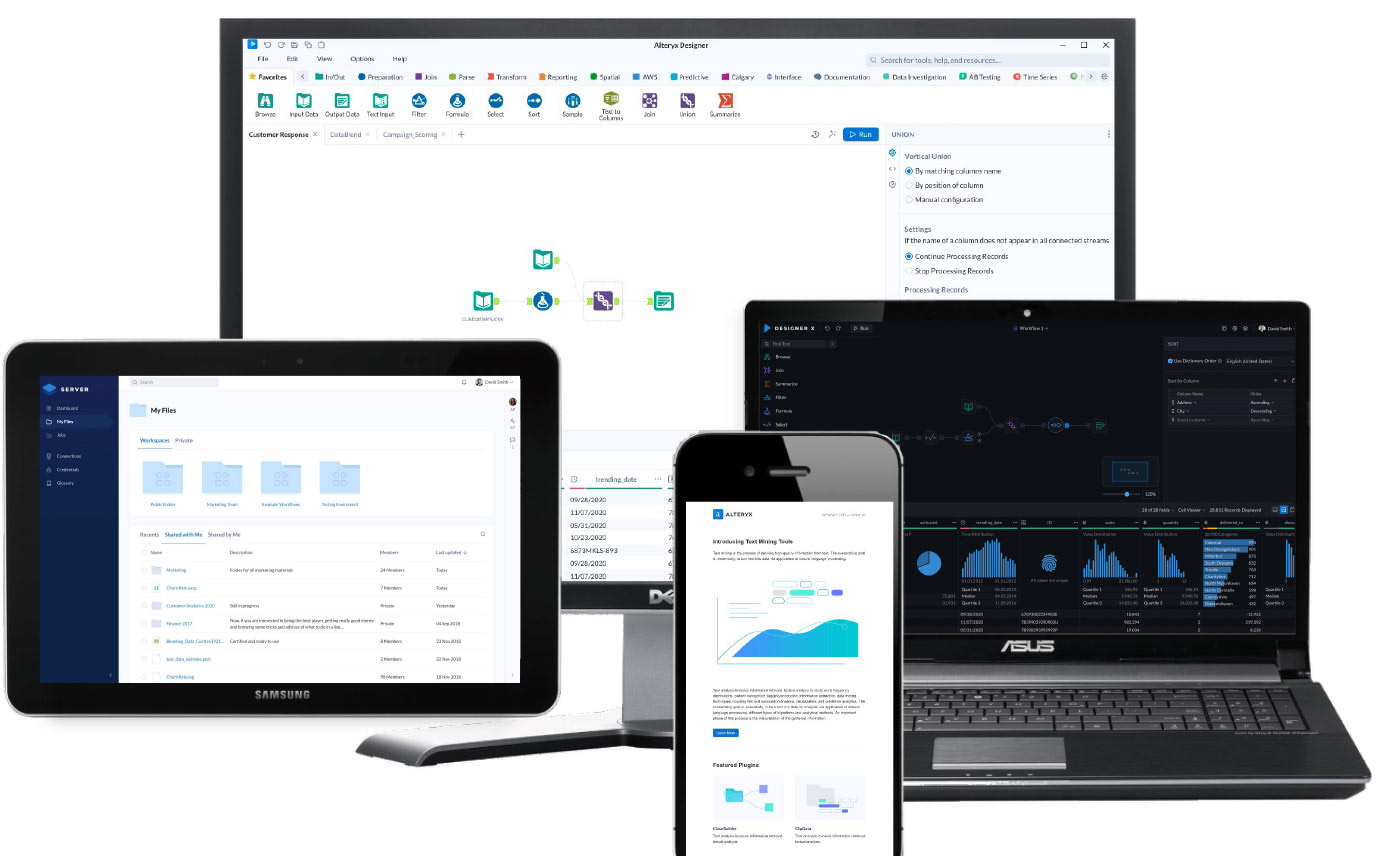
Most UX organizations rely on research to understand what users say. I wanted Alteryx to also understand what users do — at scale, continuously, without scheduling a study. I created the Telemetry & Insights team specifically for this: a dedicated function within UX responsible for product instrumentation, behavioral analytics, and translating usage data into design and roadmap decisions.
This was genuinely unusual. Embedding a data analytics capability inside a design organization gave us a level of evidential confidence that most teams don't have access to. Design decisions weren't defended with intuition or anecdote — they were defended with data. Roadmap prioritization at the senior leadership level was regularly informed by what this team surfaced. It also changed the culture: when design brings data, the conversation changes.
Redesigning Core Experiences
Designer Cloud & Alteryx Intelligence Suite
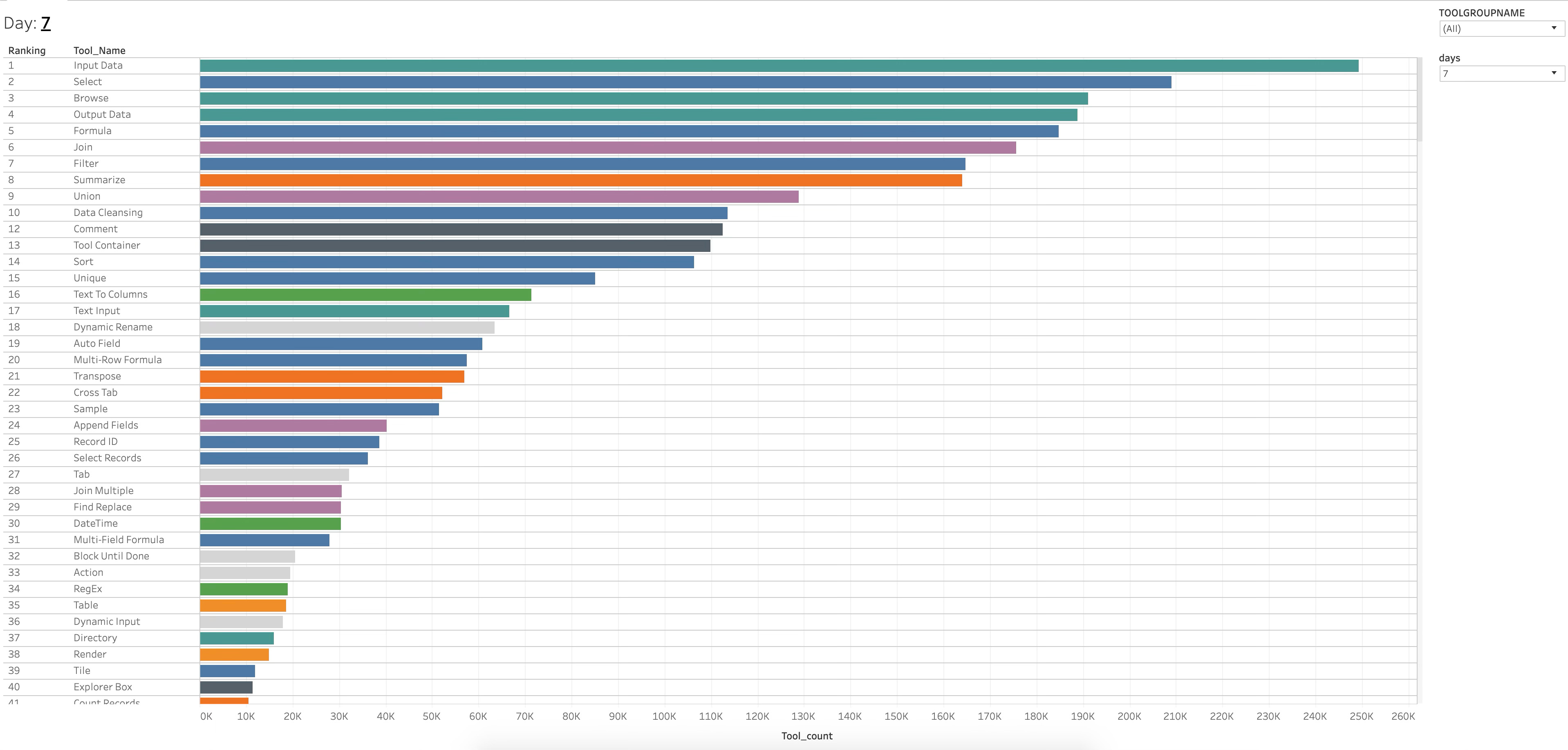
The results of the organization's work are most visible in two major product launches during my tenure: Designer Cloud and the Alteryx Intelligence Suite — both representing significant UX investments that redefined how analysts interact with the platform.
Both launches required the UX team to think beyond individual features — designing coherent end-to-end experiences for users who ranged from first-time analysts to deeply expert data scientists. The organizational infrastructure we had built, from embedded designers to shared design systems to telemetry, made that scale of work possible.
Trial & First-Use Redesign
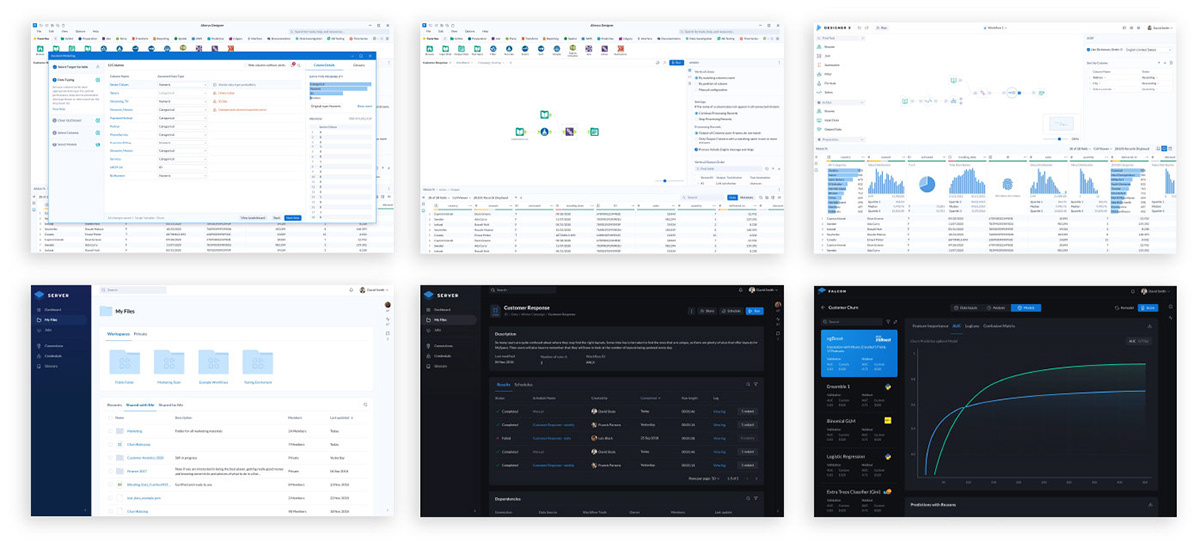
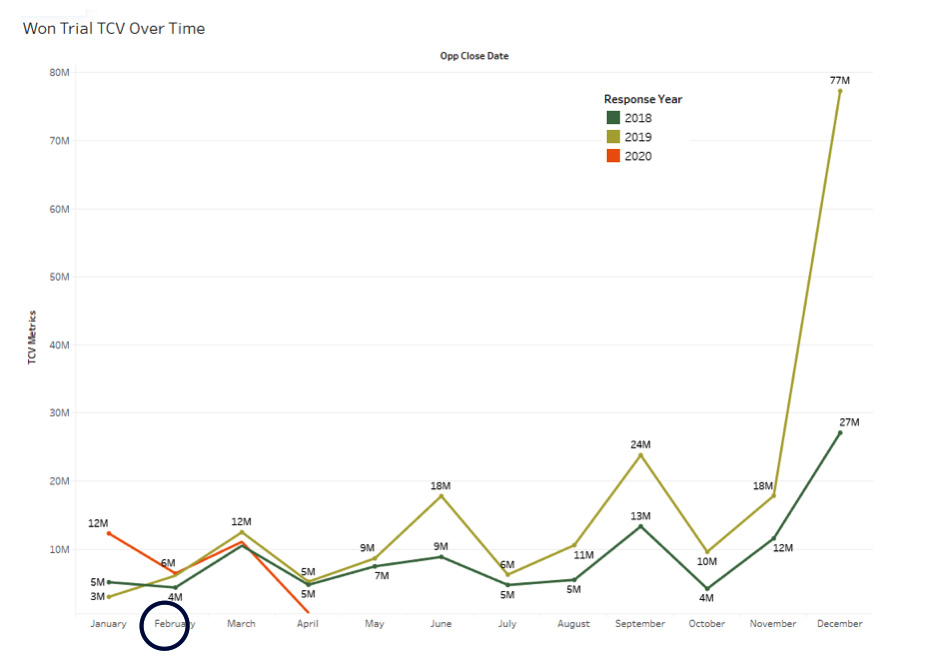
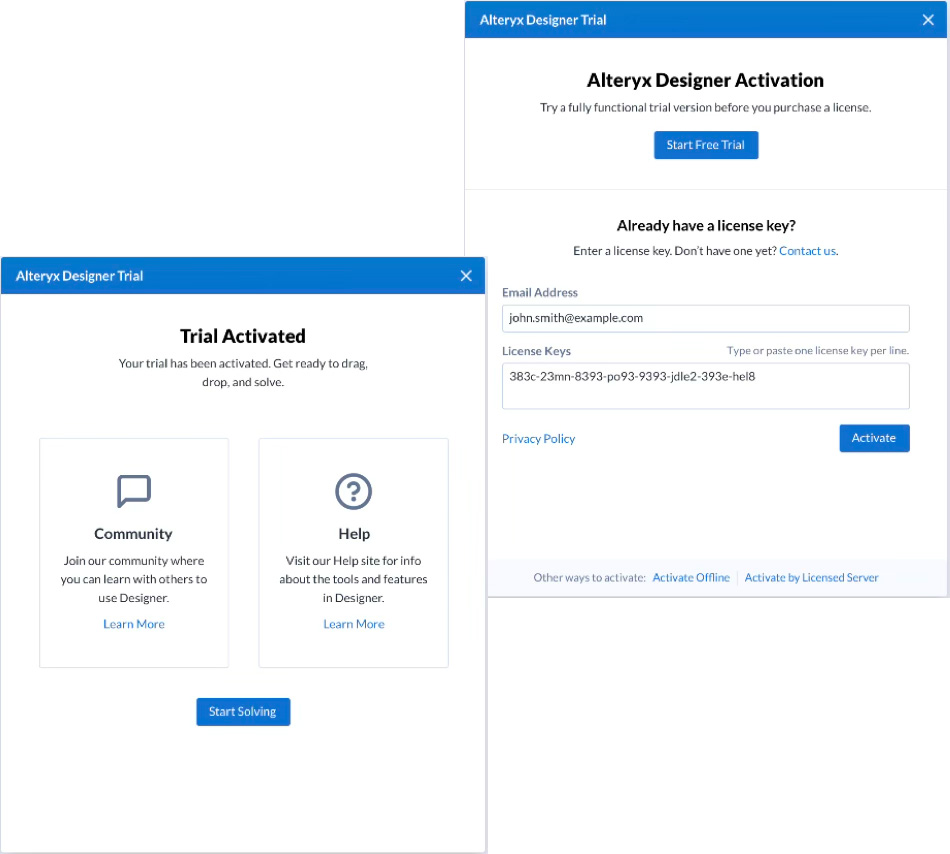
One of the highest-leverage investments I led was a comprehensive redesign of Alteryx's trial and first-use experience. The telemetry data made the problem legible: too many users were hitting friction early, before they'd had a chance to experience the platform's value. The drop-off wasn't a product problem — it was an experience problem.
The redesign focused on reducing time-to-value, clearing the path from sign-up to meaningful first use, and building the kind of early confidence that converts trial users into advocates. The results were measurable: a 20% increase in trial-to-paid conversion and a 75% improvement in time-to-value.
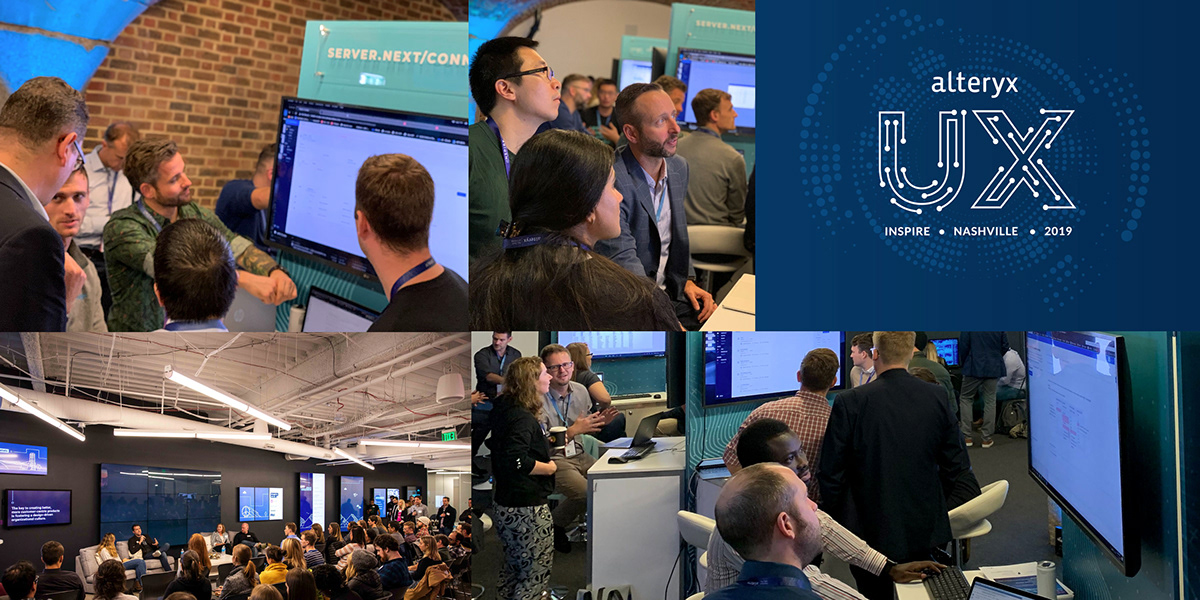
UX Lab at Inspire Conference
Every year at Inspire — Alteryx's annual user conference — we ran a UX Lab alongside the main event. It became one of the most anticipated parts of the conference. Customers got an early look at new features and products in development; our designers and product managers got direct, unfiltered user insight in real time, at a scale that would take months to replicate through traditional research.
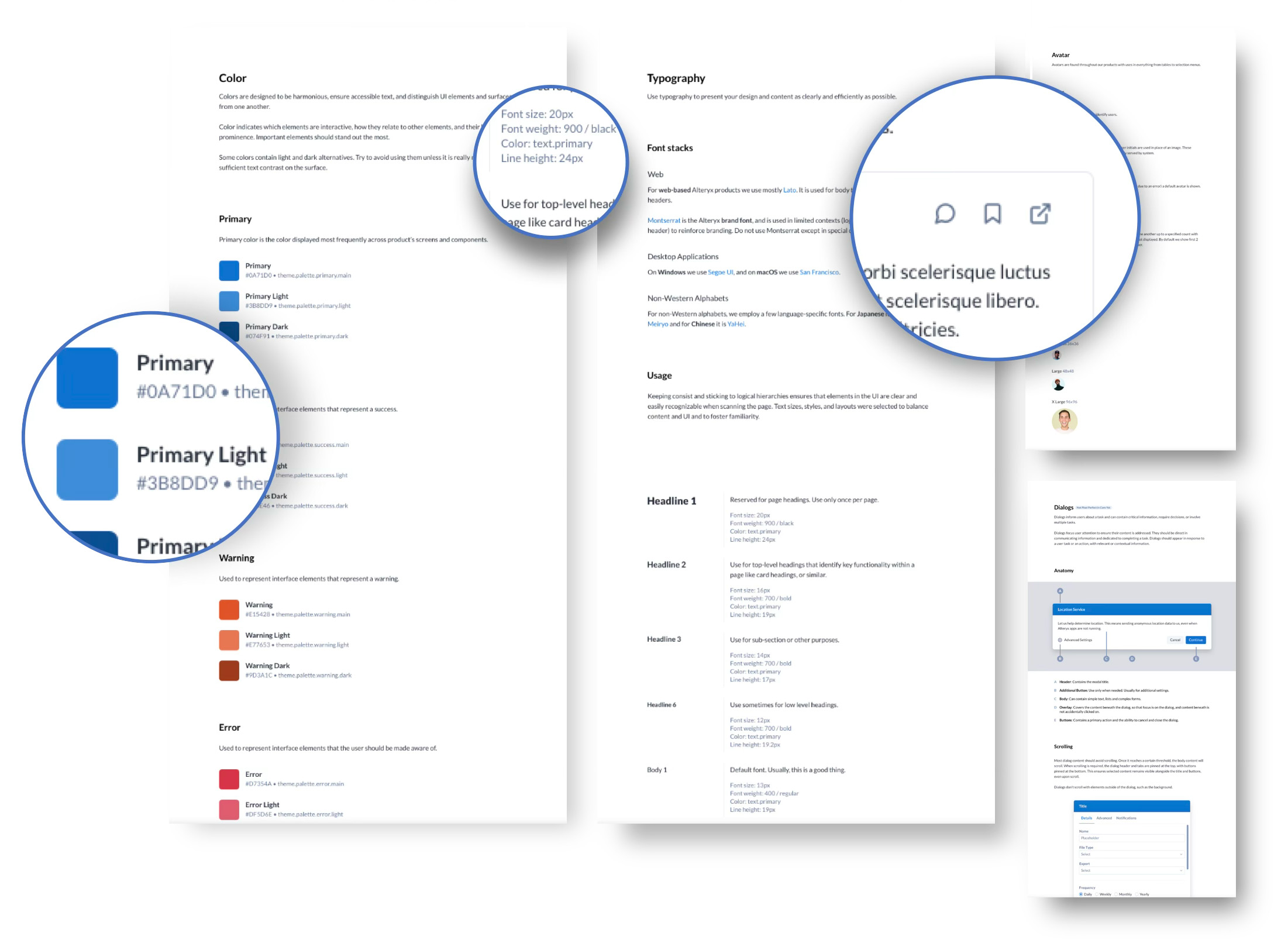
Design System Expansion
Scaling a design organization only works if the output scales with it. I expanded Alteryx's design system to unify patterns across the cloud and desktop platforms — establishing a token-based color and typography system, consolidating component libraries across teams, and introducing automated visual regression testing to catch regressions before they shipped.
The practical result was a ~15% reduction in UI defects across the platform and a significant increase in design-to-engineering handoff efficiency.
Technical Writing & In-Product Guidance
I also led the Technical Writing team, which I repositioned as a product content function rather than a documentation function. The distinction matters: documentation lives outside the product; content design lives inside it. We established standards for in-product tooltips, empty states, error messaging, and onboarding tutorials — and integrated help documentation directly into product release cycles so that guidance was never an afterthought.
Outcomes
Team Growth
Trial Conversion
Time to Value
UI Quality
Detailed artifacts and metrics available under NDA upon request.