Connekt Technologies operated at the intersection of smart TV hardware, real-time data, and advertising — serving advertisers, networks, and device manufacturers with a platform that could reach millions of devices and respond to audience signals in near real-time. The company's proprietary FLX technology made it possible to dynamically enhance standard TV ad creative: layering contextual data, device-level personalization, and interactive triggers onto spots that would otherwise be static.
It was a short tenure — seven months — but it was formative. This was a startup navigating genuinely novel territory, building software infrastructure for a medium that was only just beginning to have any. Moving fast was the requirement. Vizio's acquisition of Connekt in 2020 validated the strategic bet.
My work spanned two distinct modes: product architect on Live Fire, and creative director on FLX campaign production.
Live Fire
Live Fire was Connekt's campaign authoring and deployment platform — the product that gave brand advertisers a structured way to build FLX-powered smart TV campaigns. It was where the technology's power became accessible: composing dynamic data layers, setting up device-specific variants, configuring interactive triggers, and pushing a deployable creative that could respond intelligently to audience context at scale.
I owned both the product architecture and the UX design. That meant defining how the platform would model campaign logic — the underlying data structures that made dynamic creative composable — and how that complexity would be expressed in an interface that brand teams, not engineers, could actually use.
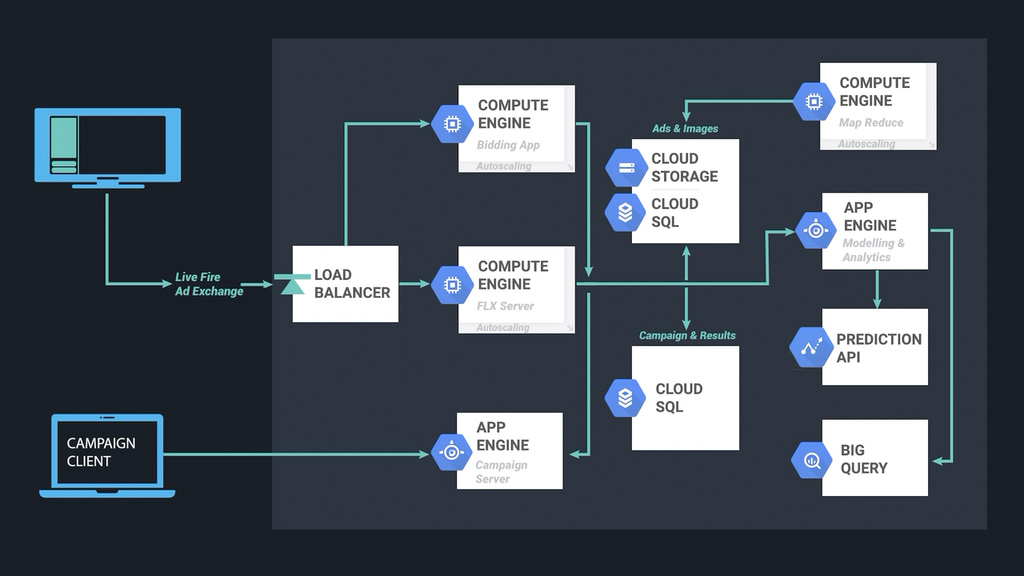
The challenge was real: FLX campaigns involved a level of conditionality that had no analogue in traditional ad tooling. A single campaign could branch across dozens of device types, data triggers, and creative variants. The interface had to make that legible without flattening it — giving teams enough control to harness FLX's full capability without requiring them to understand the system at an engineering level.
Finding that line between power and approachability was the central design problem throughout the project.
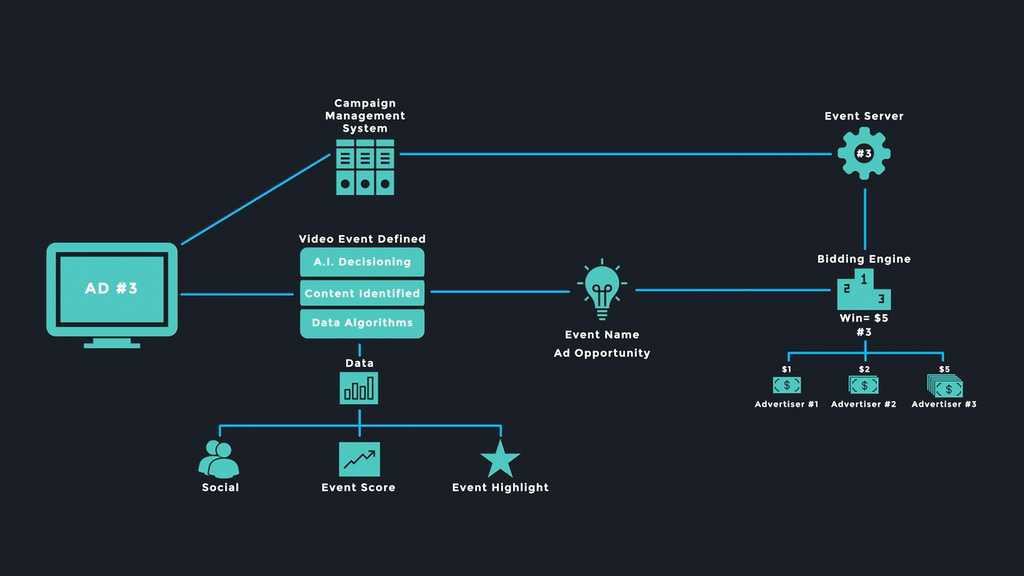
The architecture decisions I made early shaped what was possible downstream. How campaigns were structured in the data model directly determined how easily creative teams could iterate, how reliably campaigns could be QA'd before deployment, and how cleanly the system could scale to new device types and data sources. Getting that right, at a startup moving quickly, required holding the design and systems thinking simultaneously — and knowing when a decision about user experience was actually a decision about data architecture.
Bose
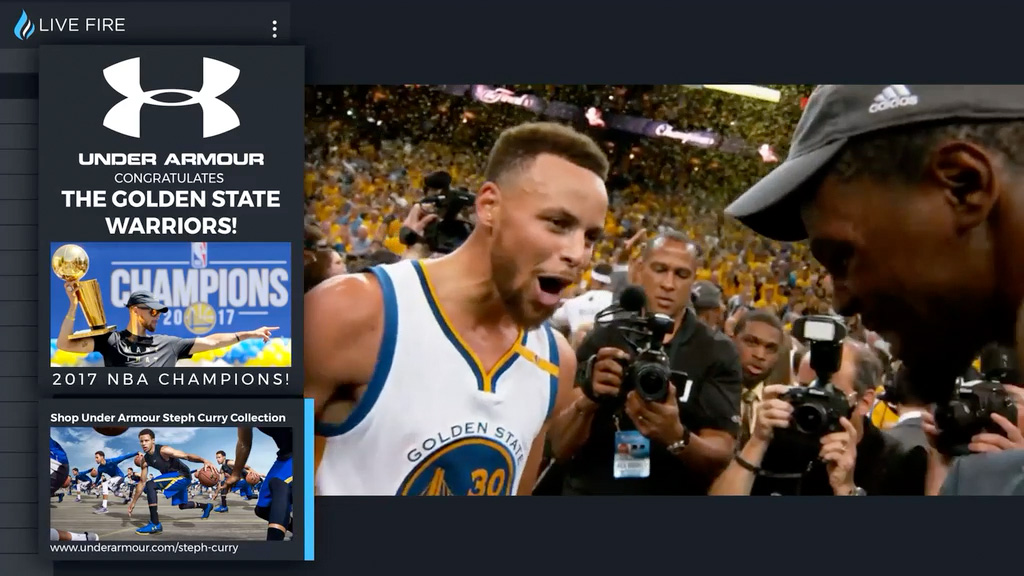
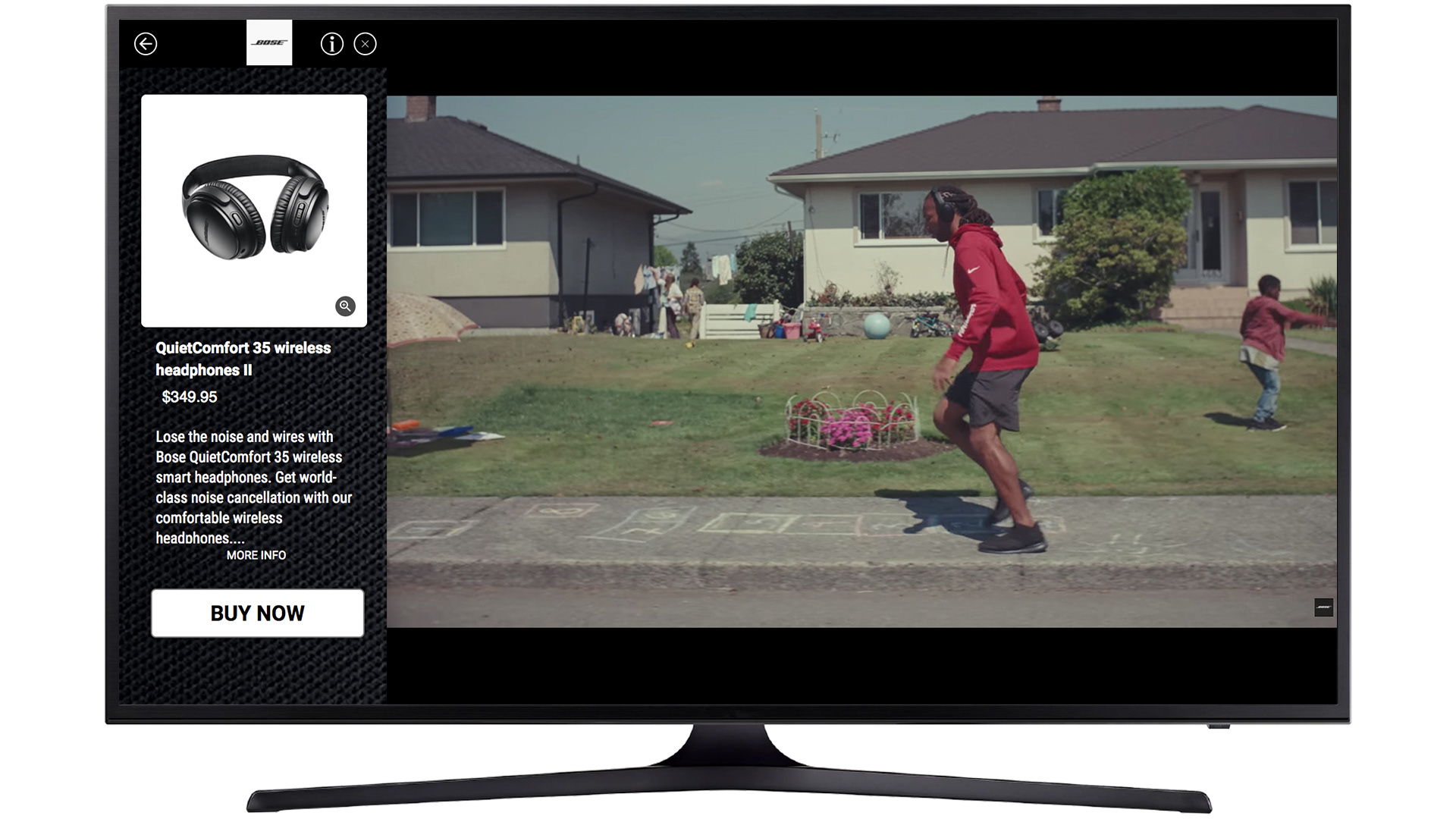
Alongside the platform work, I served as Senior Technical Creative Director on FLX campaign production — overseeing the design and delivery of dozens of advanced ad campaigns for smart TV deployment. The Bose campaign is a representative example of the work.
FLX made it possible to take a standard 30-second TV spot and transform it into something contextually aware. For Bose, that meant dynamically enhancing the creative with real-time data overlays, device-level personalization, and interactive layers — experiences that could respond to what was happening on-screen or in the household at the moment of delivery. The result wasn't a different ad; it was the same ad made smarter.
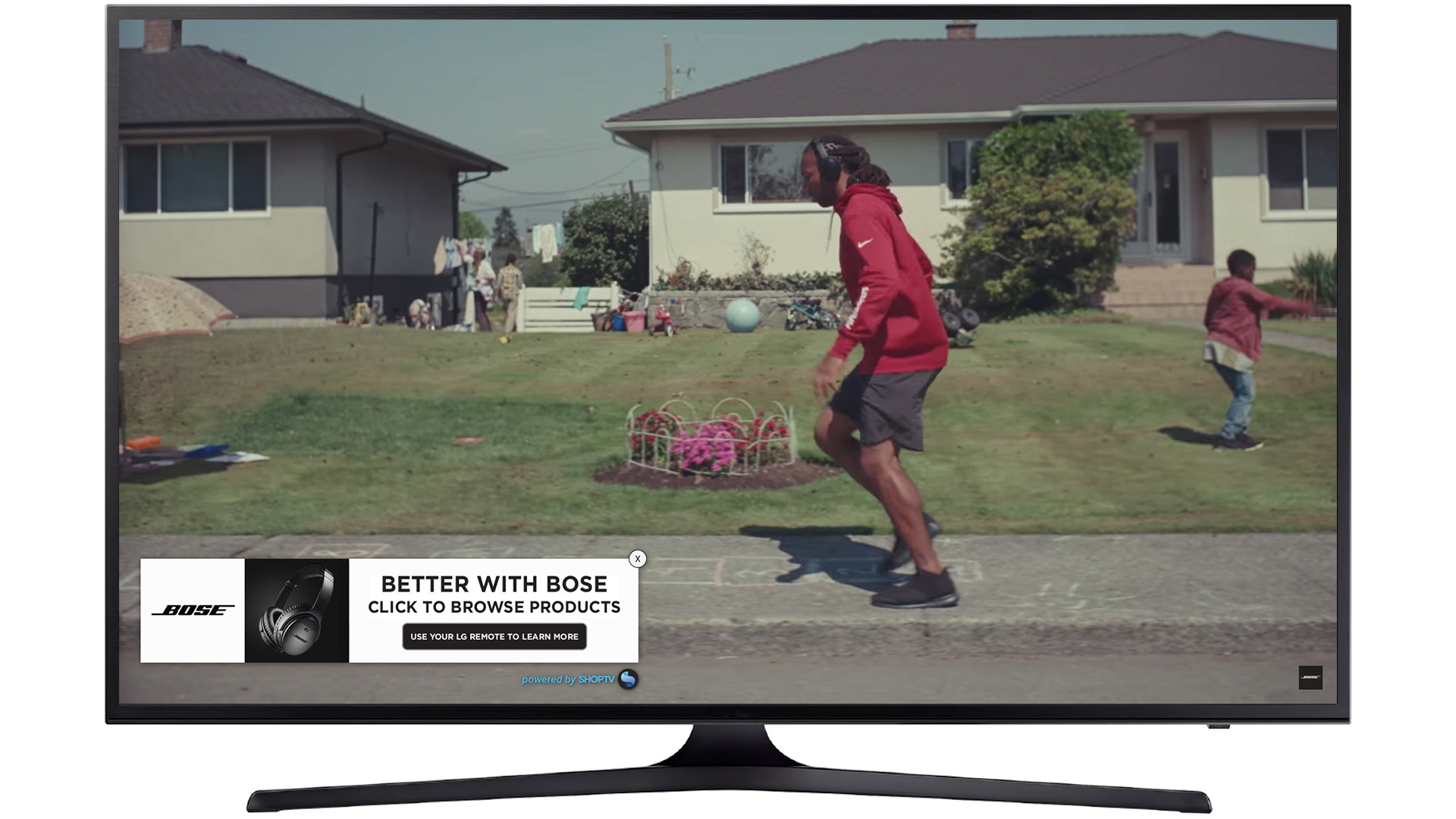
Creative directing at this level required close coordination between three teams that don't naturally speak the same language: brand creative (who owned the original spot and had strong opinions about it), data engineering (who controlled the FLX data signals), and platform engineering (who had to make the enhanced creative deployable at scale). My job was to hold those threads together — translating between them, keeping the creative vision intact while making sure the technical execution was actually achievable.
Across dozens of campaigns, the pattern was consistent: the brands that got the most out of FLX were the ones willing to think about their creative as a starting point rather than a finished product. That reframe — from "here's our ad" to "here's the canvas" — was as much a design education challenge as a production one.
Connekt was acquired by Vizio in March 2020.